Custom Orthotics from Complete Foot Care Clinic
My Experience Getting Custom Orthotics in London, Ontario with Complete Foot Care Clinic
Foot pain has a way of affecting everything. It changes how you walk, how long you stay on your feet, and even how much you want to do in a day. After dealing with that kind of frustration, I came to appreciate how much difference the right support can make.
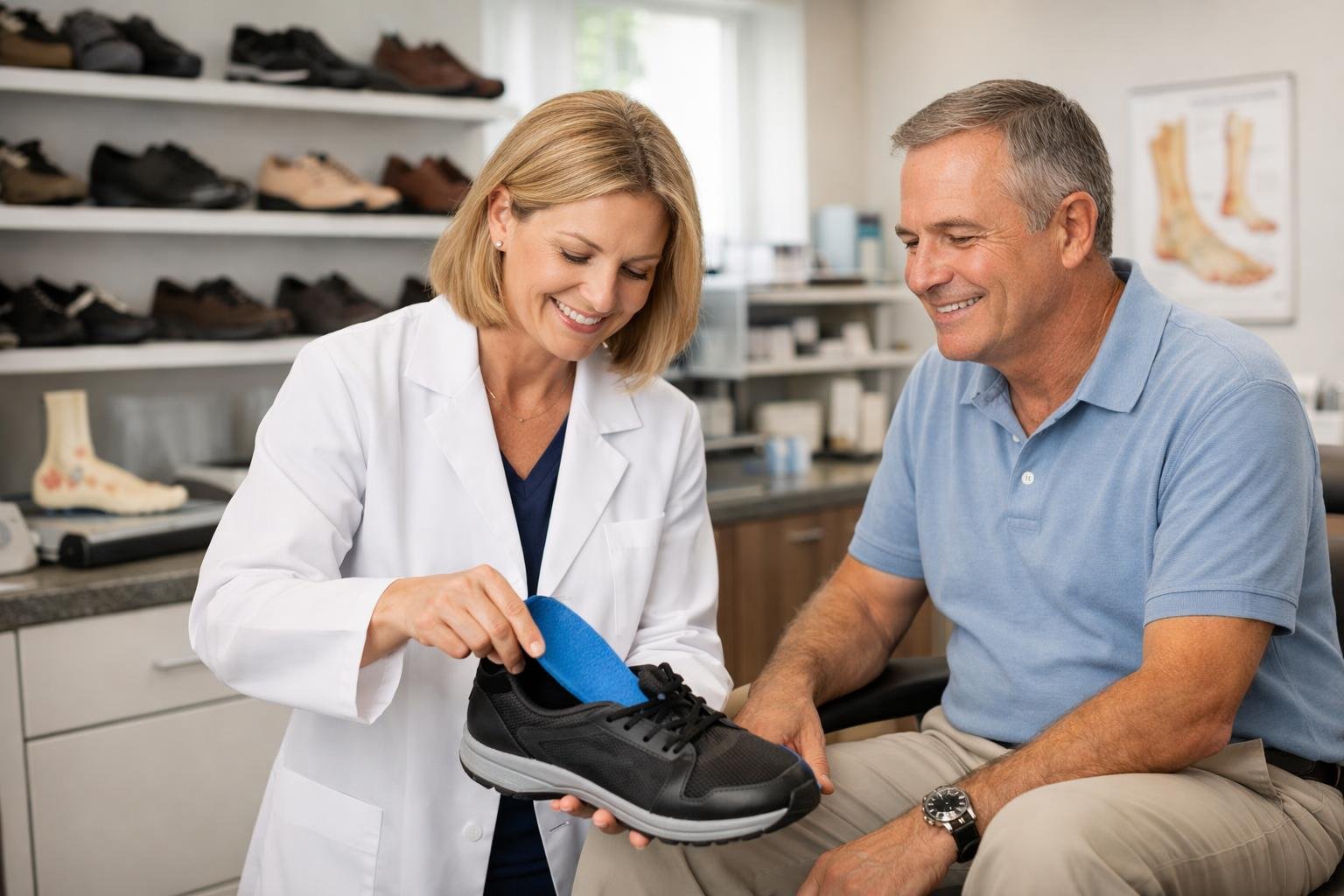
My experience with Complete Foot Care Clinic in London, Ontario gave me a much clearer understanding of what custom orthotics are actually supposed to be. These are not generic insoles pulled off a shelf. They are built around the structure of your feet, the way you move, and the areas where you are dealing with pain or instability.
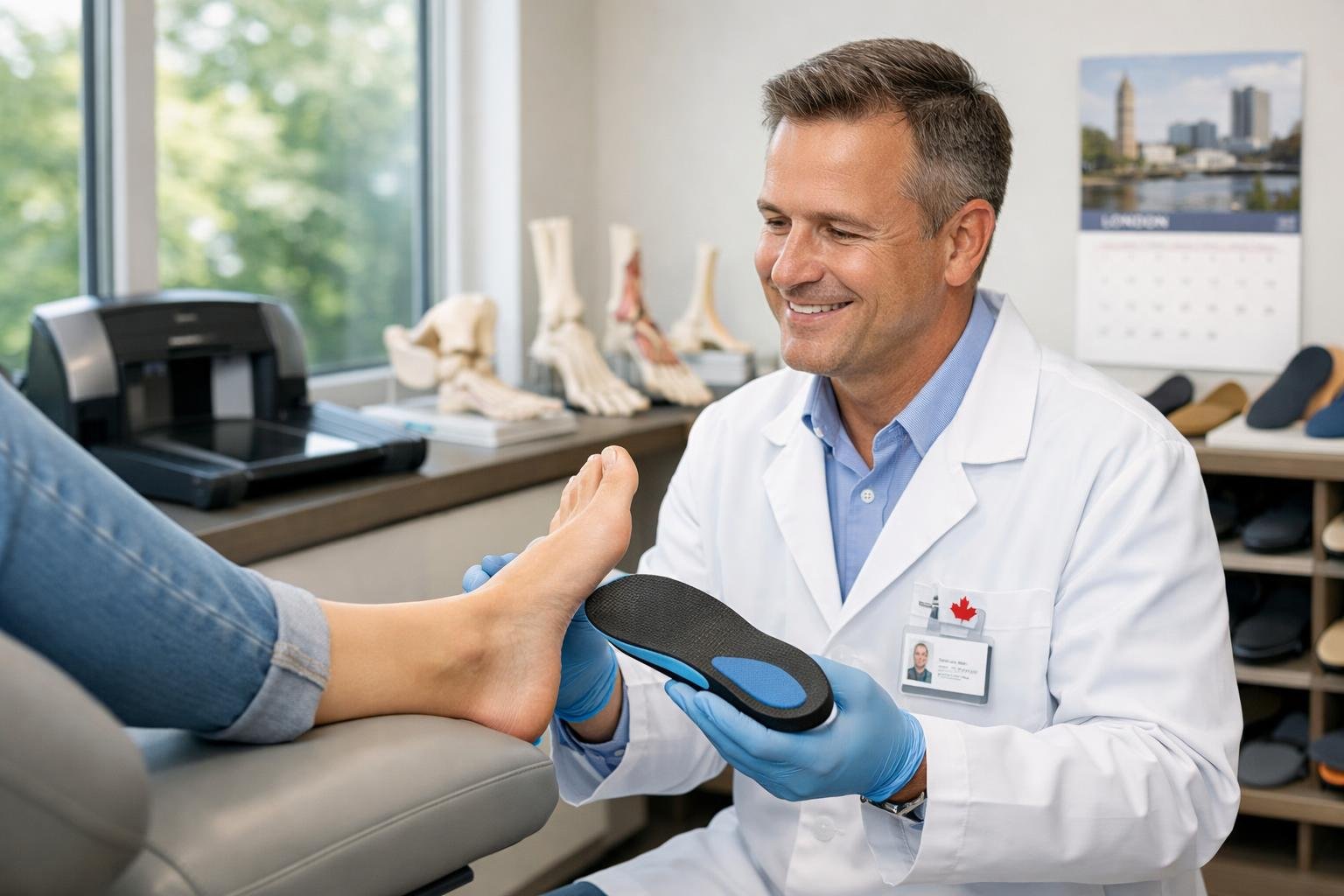
One thing that stood out to me was how many people arrive after wasting time and money on drugstore inserts that never really solved the problem. What made this process feel more legitimate was the detailed assessment. It was not just about arch support in some vague sense. It was about looking closely at foot structure, gait, pressure points, and the exact source of discomfort.
Another practical advantage is that the orthotics are made on-site. That matters more than it sounds. It can mean a faster turnaround, better quality control, and easier adjustments if something needs to be fine-tuned after you start wearing them.
What also became clear is that the clinic is not limited to orthotics alone. The care extends into broader foot health, including nursing foot care, compression wear, orthopedic footwear, diabetic foot support, and treatment for common but painful issues like ingrown toenails and fungal nails.
Custom Orthotics at Complete Foot Care Clinic
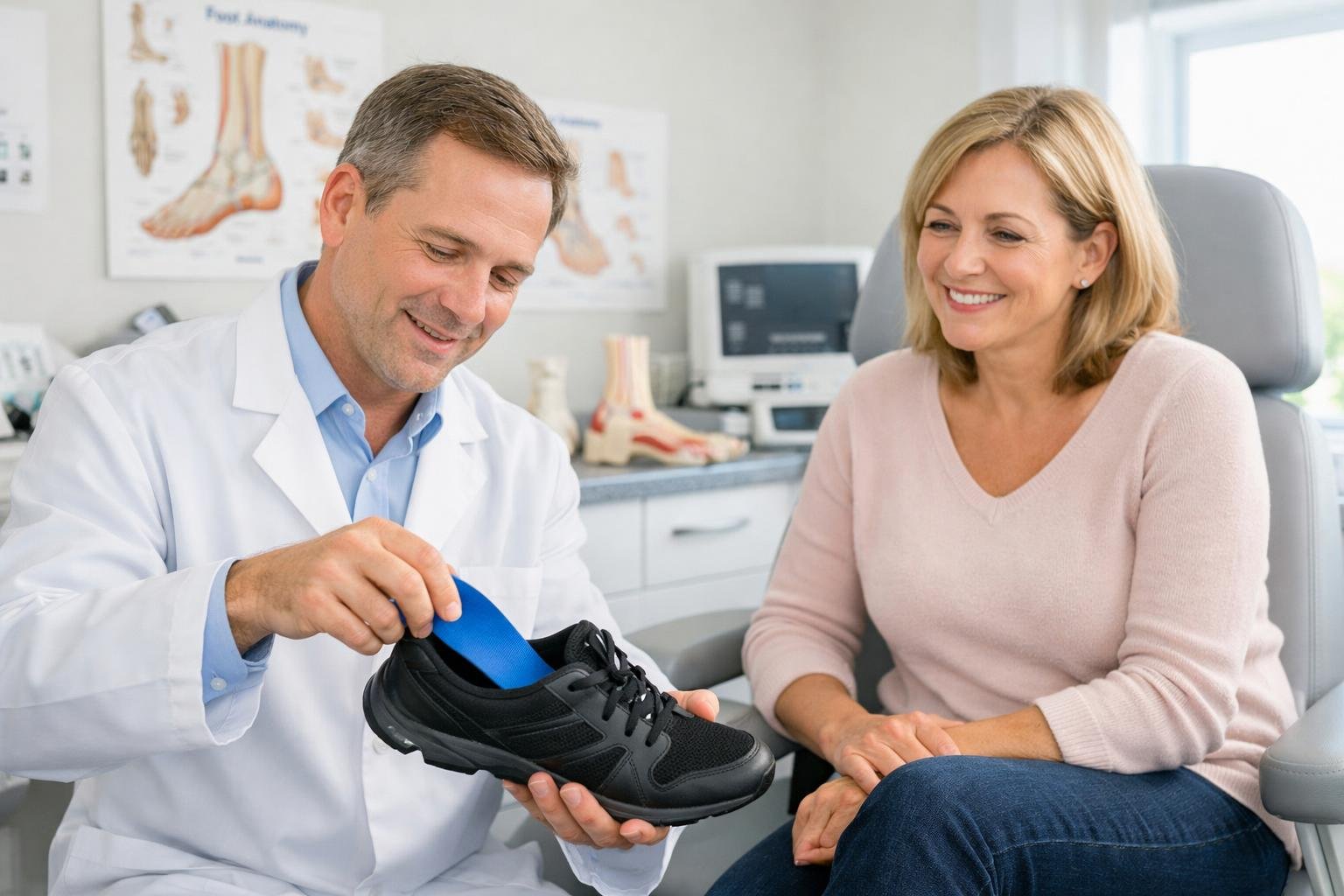
The custom orthotics process at Complete Foot Care Clinic feels more precise and more medically grounded than the off-the-shelf alternatives most people try first. The clinic uses detailed scanning and in-house orthotic services to create orthotics that are built around the actual mechanics of your feet.
What Makes Custom Orthotics Different
The biggest difference is simple. Store-bought insoles are generic. Custom orthotics are not. They are designed to address the way your body actually loads weight and moves through each step.
That matters when someone is dealing with conditions like plantar fasciitis, bunions, metatarsalgia, or other structural problems that cannot be solved with a one-size-fits-all insert. Foot width, arch height, pressure distribution, and gait patterns vary from person to person. A proper orthotic takes those differences seriously.
On-Site Lab and Manufacturing
Having orthotics made on-site at the Bradley Avenue clinic adds a level of confidence to the process. The assessment, fabrication, and any needed follow-up adjustments are handled in one place instead of being sent off somewhere else and treated like a standardized order.
The scanning process captures detailed measurements that are used to build a three-dimensional model of the feet. From there, the orthotics are manufactured to match those measurements as closely as possible. If an adjustment is needed after wear begins, it can be handled more directly and with less delay.
Assessment and Fitting
The assessment process goes beyond simply looking at the feet. It includes how the feet function during movement, where support is lacking, and where pressure is creating pain or instability. That part of the process gives the orthotics a much better chance of doing what they are supposed to do once they are inside an actual shoe and used in daily life.
Patients are also given guidance on break-in, use, and care. For orthotics, a referral is required, which helps confirm medical need and may also support insurance documentation.
Broader Foot Care Services
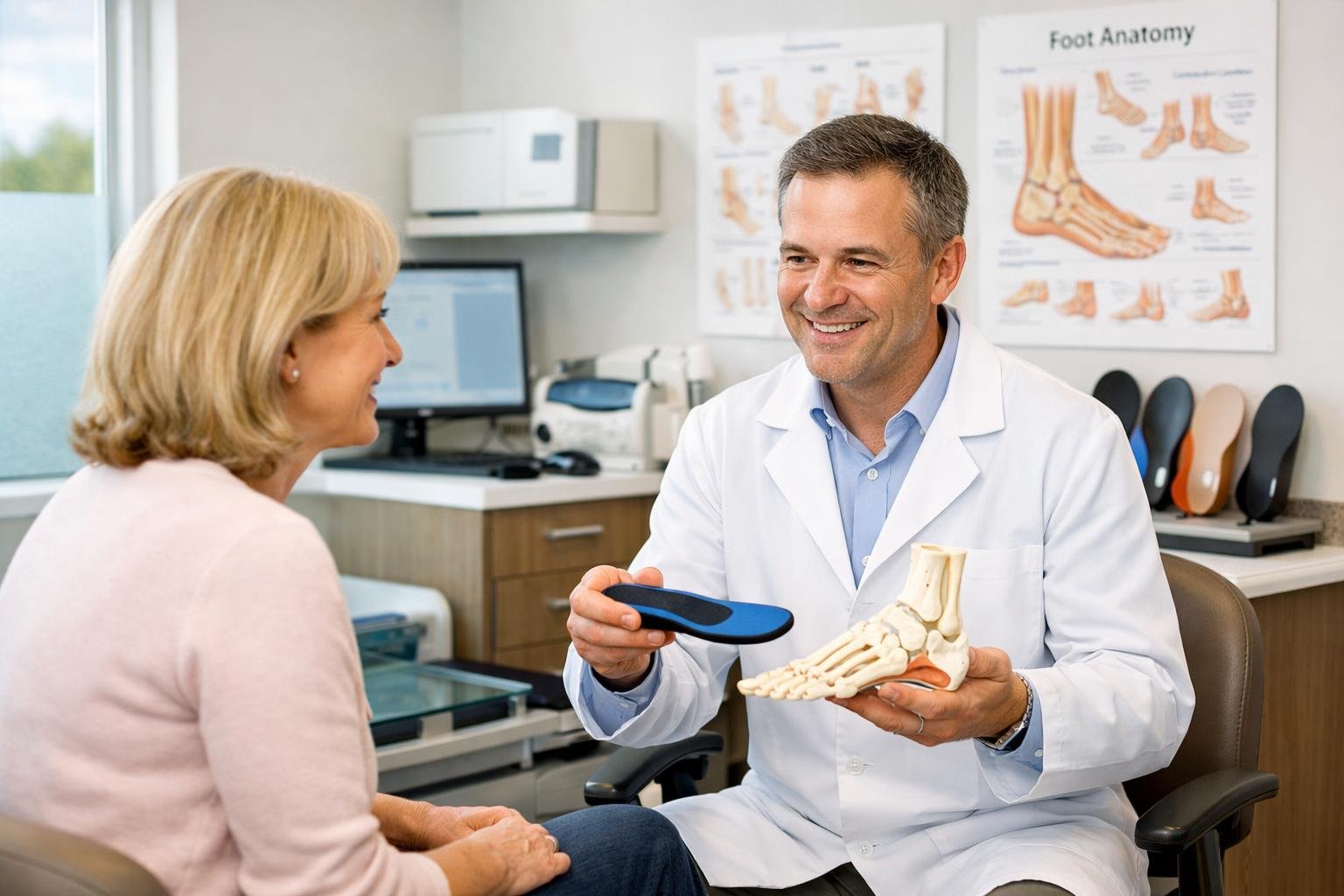
One of the more reassuring parts of dealing with Complete Foot Care Clinic is that the care is not narrowly focused. Orthotics are one piece of the picture, but the clinic also deals with routine and advanced foot concerns that often overlap with mobility, circulation, and long-term foot health.
Nursing Foot Care
The clinic provides professional nursing foot care for people who need regular maintenance as well as those with more complicated concerns. That includes services like nail care, callus reduction, corn treatment, and ongoing monitoring of issues that can become more serious if ignored.
For people living with diabetes, that kind of routine care can be especially important. Good diabetic foot care can help reduce the risk of wounds, infections, and complications that are far more difficult to deal with later.
Treatment for Common Foot Conditions
The clinic also addresses a wide range of foot conditions beyond simple discomfort. Plantar fasciitis, bunions, metatarsalgia, Morton’s neuroma, ingrown toenails, and fungal nail issues are all part of the treatment landscape.
For ingrown or involuted toenails, the Onyfix nail correction system is one option available. For fungal nails, ClearToe Therapy Light is used as a non-invasive treatment option for onychomycosis. The clinic also carries supportive products that can work alongside treatment, including orthopedic shoes, diabetic socks, compression wear, and bunion splints.
Referral and Assessment Process
For orthotics and compression stockings, a referral is required before booking. That referral can come from a family doctor or another qualified healthcare provider. Once that is in place, the clinic carries out a detailed assessment to determine the most appropriate treatment path.
That assessment includes looking at structure, gait, symptoms, and the practical demands being placed on the feet. It is a more thoughtful process than simply buying a product and hoping for the best.
Orthopedic and Diabetic Footwear
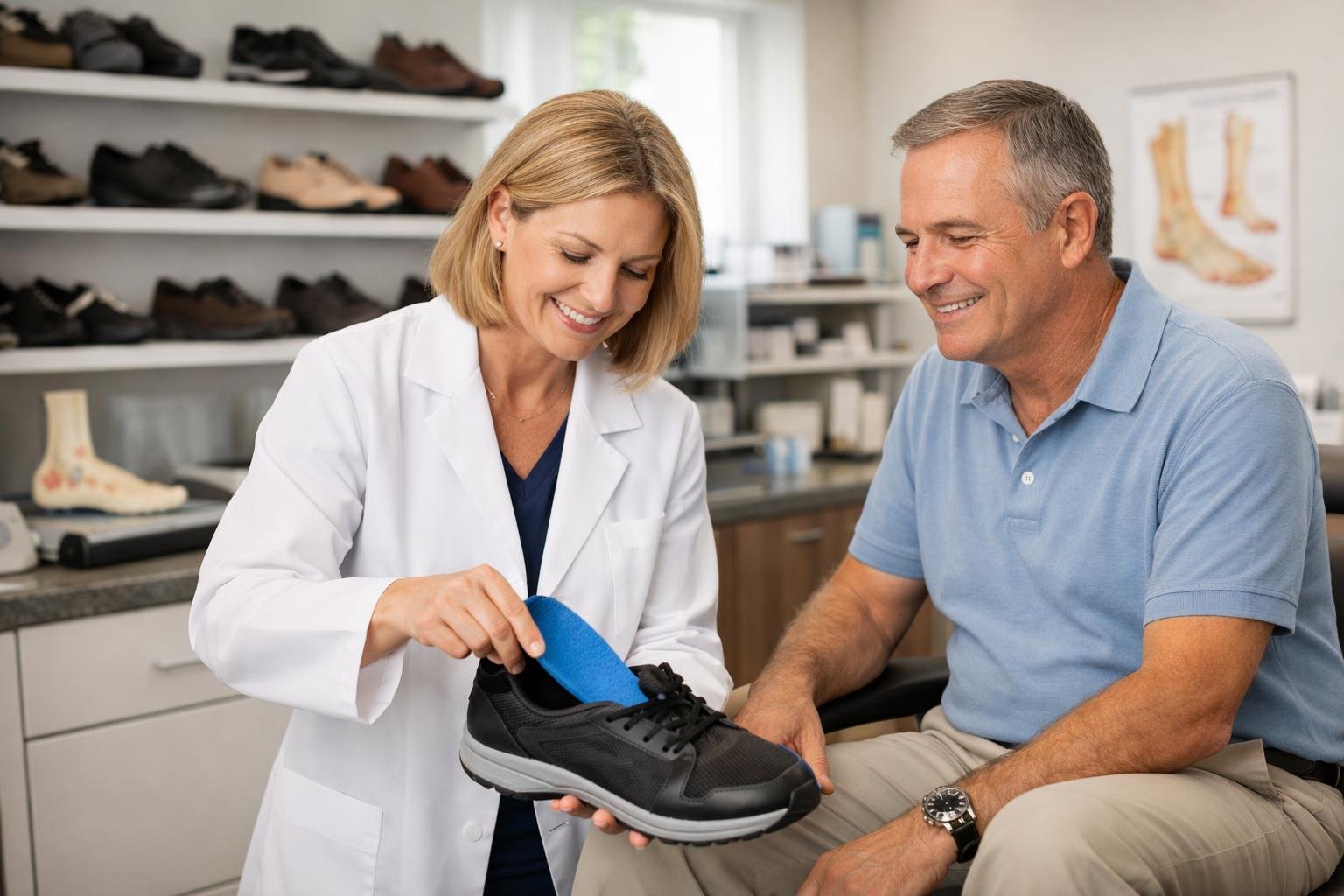
Proper footwear can make a major difference, especially when someone is dealing with chronic pain, deformity, diabetic risk, or balance issues. At Complete Foot Care Clinic, footwear is treated as part of care, not as an afterthought.
Orthopedic Footwear
Orthopedic shoes are built differently from regular retail shoes. They are made to accommodate foot shape changes, improve support, reduce pressure points, and allow room for orthotics when needed.
Features like deeper toe boxes, extra width, removable insoles, rigid heel counters, and rocker soles can all make a real difference depending on the condition being managed. This type of footwear can be especially useful for people dealing with bunions, hammertoes, arthritis, and plantar fasciitis.
Diabetic Footwear and Socks
For people with diabetes, footwear is not just about comfort. It is about protection. Shoes and socks that reduce friction, support circulation, and help prevent skin breakdown can lower the risk of wounds and complications.
Diabetic footwear and socks typically focus on soft interiors, better cushioning, seamless construction, and a non-restrictive fit. Combined with regular foot checks and proper care, they can play an important role in ongoing foot health.
Custom Shoes and Arch Support Products
Some people need more than a standard orthopedic shoe. In more complex cases, custom shoes may be necessary to accommodate significant deformity or unusual foot structure.
Support products can also range from prefabricated inserts to fully custom orthotics, along with smaller additions like metatarsal pads, heel cups, and lifts. The value is in matching the product to the problem instead of forcing every problem into the same solution.
Compression Socks and Bracing Options
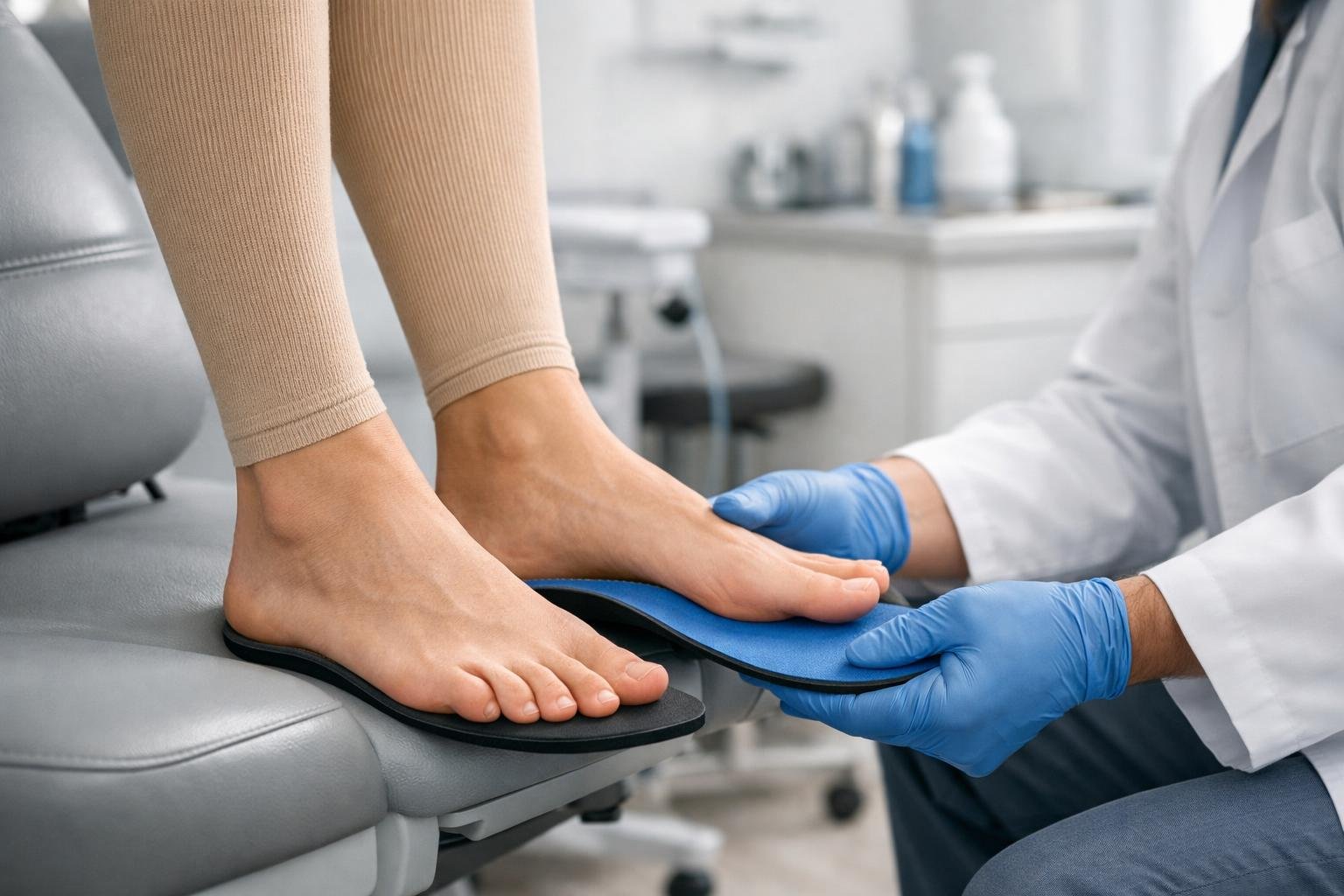
Compression garments and bracing can be just as important as orthotics for the right patient. Complete Foot Care Clinic offers both as part of a broader support plan for circulation issues, instability, and structural foot problems.
Compression Socks and Stockings
Medical-grade compression wear is fitted more carefully than the basic products sold over the counter. The purpose is to provide graduated compression that helps reduce swelling and supports circulation in the lower legs.
That can be useful for people dealing with edema, varicose veins, or other circulation concerns. Compression stockings need to fit properly to work the way they are supposed to. Poor fit can make them uncomfortable or ineffective. A referral is required for these products.
Braces and Splints
The clinic also offers bracing and splinting options for support, alignment, and protection. Depending on the condition, that may include bunion splints, night splints for plantar fasciitis or Achilles issues, ankle braces, or more specialized options for instability and tendon dysfunction.
There are also protective products for people at risk of skin breakdown or pressure injury, particularly those with reduced mobility. The point is not to throw devices at the problem. It is to choose support that actually matches the patient’s needs and level of activity.
Foot Pain Relief and Support Products
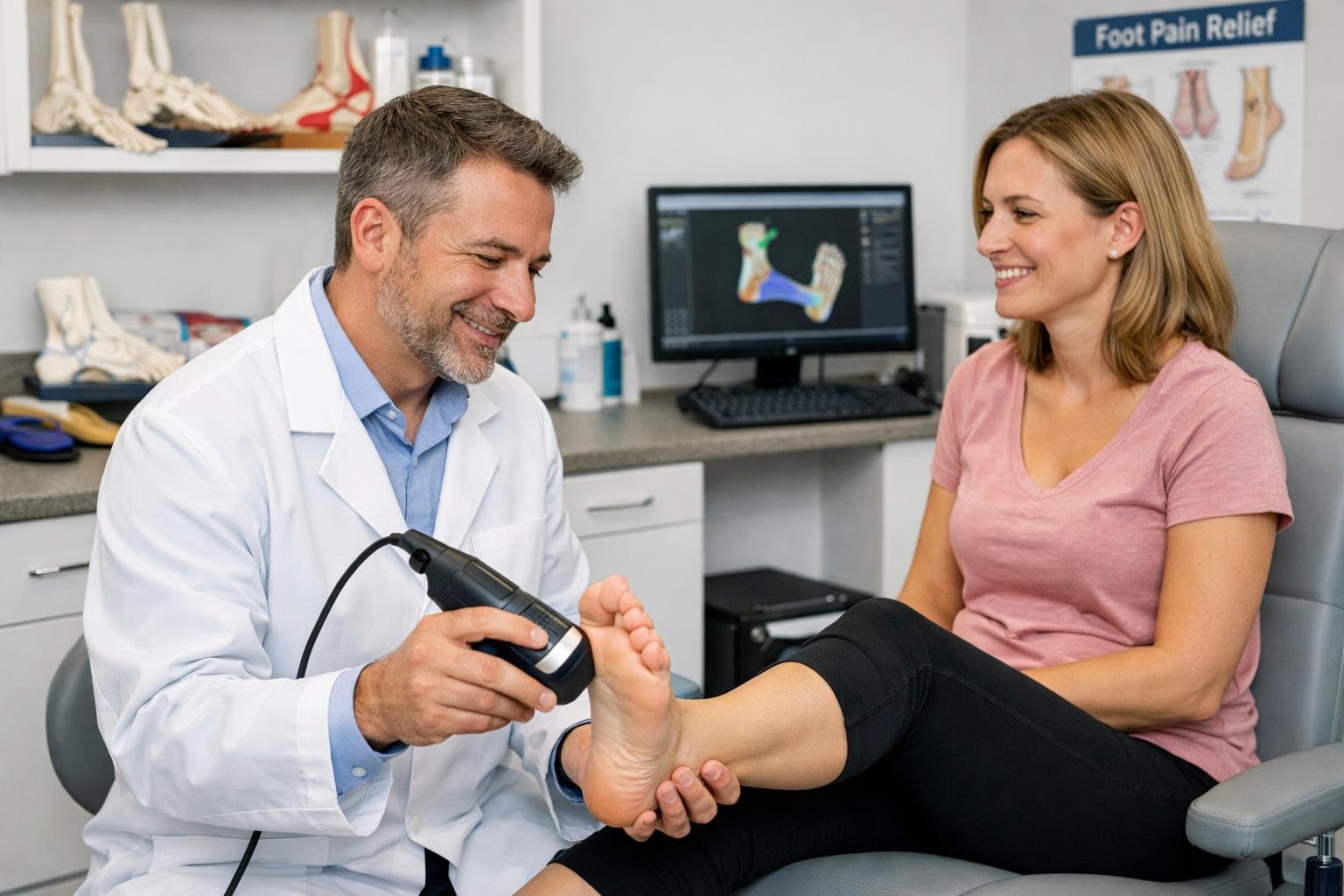
Not every case requires a full custom solution right away. In some situations, smaller products can make a meaningful difference when they are selected properly and used for the right reason.
Metatarsal Pads and Offloading Products
Metatarsal pads can help relieve pressure under the ball of the foot and are often useful for people dealing with metatarsalgia, Morton’s neuroma, or forefoot pain. They can be used inside regular footwear or combined with orthotics where appropriate.
For more serious pressure-related problems, offloading products can help protect vulnerable areas and reduce stress on tissues that need time to heal. Heel lifts are another example of a small intervention that can make a surprisingly large difference when leg length imbalance is contributing to pain higher up the chain in the knees, hips, or back.
Product Quality and Footwear Brands
The clinic carries a range of supportive footwear and related products from established brands. The real value here is not the brand name itself. It is the ability to match specific product features to a person’s actual foot health needs, whether that means extra depth, better cushioning, diabetic-friendly construction, post-operative support, or compression and bracing.
That kind of product selection works best when it is guided by assessment rather than impulse buying. That was one of the more consistent themes throughout the clinic’s approach.
Accessibility and Practical Information
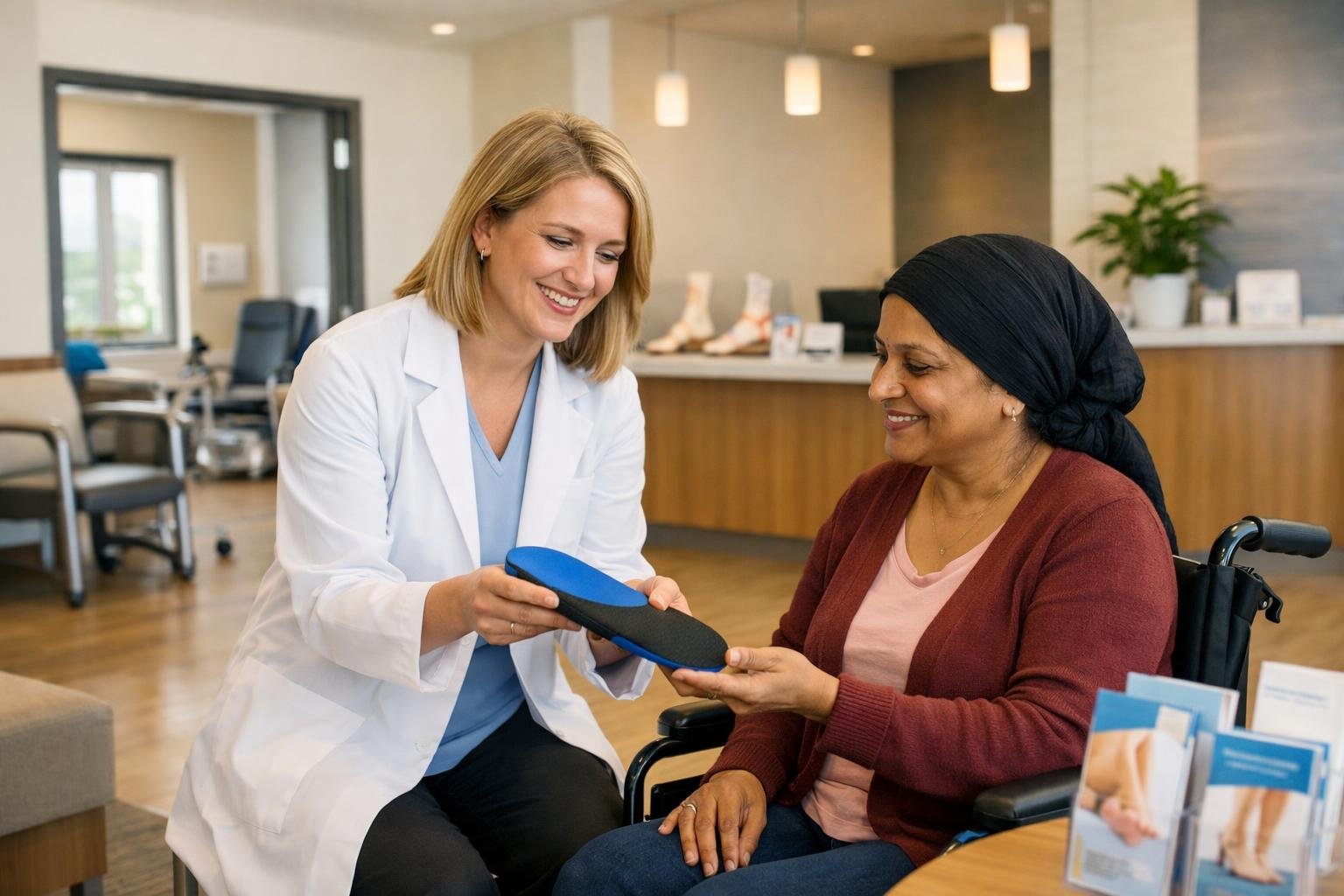
Practical details matter, especially when someone is already dealing with pain or mobility limitations. Complete Foot Care Clinic appears to have made accessibility part of the overall patient experience rather than treating it as an afterthought.
Accessible Clinic Environment
The clinic is wheelchair accessible, which matters for patients using mobility devices or anyone who would struggle in a space with physical barriers. For a foot care setting, that kind of accessibility is not a bonus. It should be expected, and it is good to see it addressed properly.
Location, Insurance, and Booking Notes
Complete Foot Care Clinic is located at 595 Bradley Ave in London, Ontario. Parking is available, and the clinic operates during standard business hours.
It is also worth knowing that this is a privately operated clinic and services are not covered by OHIP. Insurance coverage may be available depending on the provider and the service involved, but it makes sense to confirm the details of your own plan in advance, especially if a referral is required for orthotics or compression garments. For current clinic details or booking information, the contact page is the safest place to verify everything directly.
Final Thoughts
What makes Complete Foot Care Clinic stand out is not flashy language or exaggerated claims. It is the more grounded reality of how the clinic approaches foot health. The process feels more thorough, the products are more tailored, and the care extends beyond one single service.
For someone in London who is dealing with ongoing foot pain, mobility issues, diabetic foot concerns, or the need for custom orthotics, this feels like the kind of clinic where the problem is actually assessed before a solution is recommended. That alone puts it ahead of a lot of what people try first.