Types of ICI Commercial Construction Projects
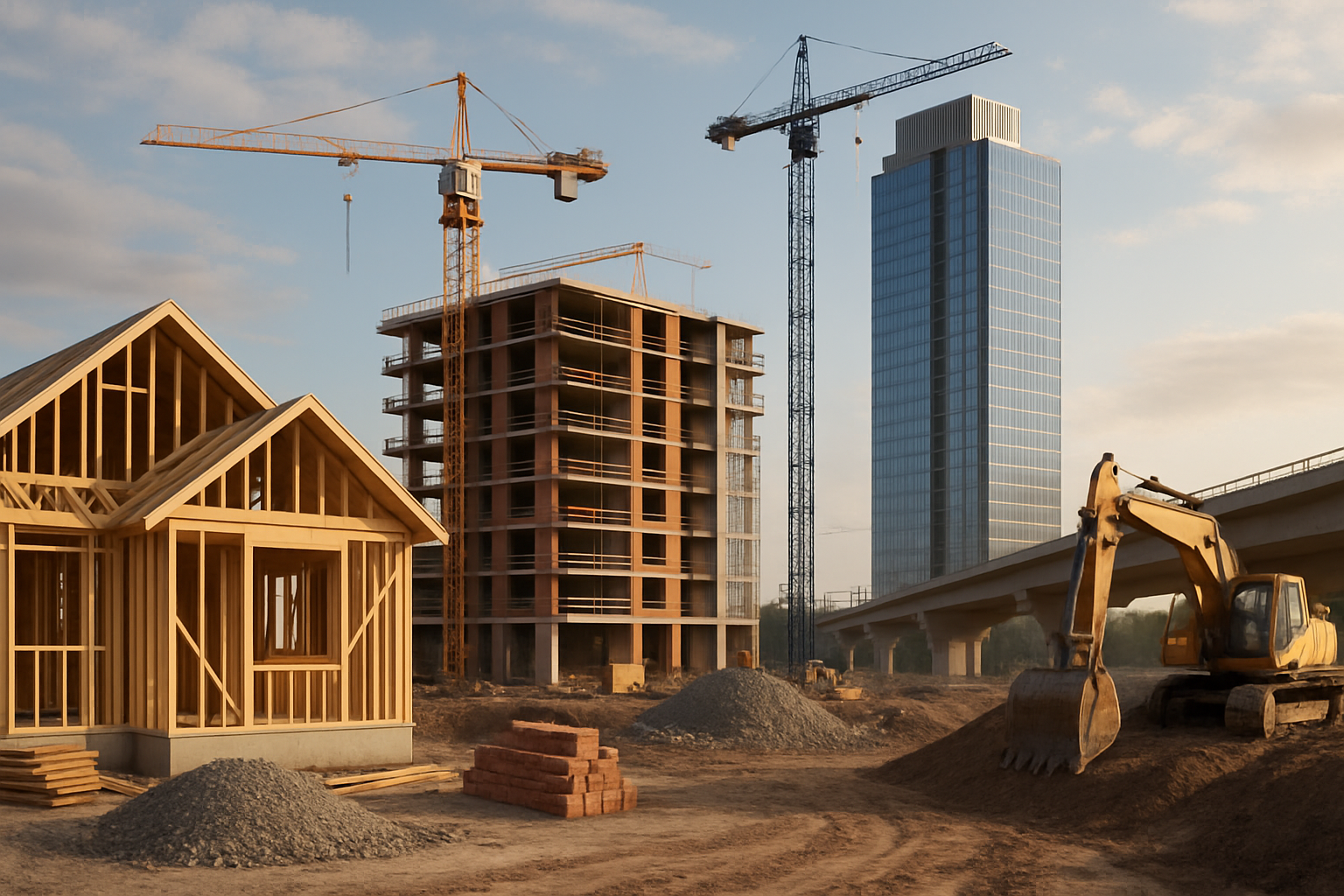
Types of Construction Projects
Why it matters
Understanding different types of construction projects helps in planning and managing resources effectively. Each project type has unique requirements and challenges. Knowing these distinctions aids in making informed decisions and avoiding costly mistakes.
Industrial construction overview
Industrial construction focuses on facilities used for manufacturing, processing, and storage. These projects often involve large-scale structures like factories, warehouses, and power plants. The design must accommodate heavy machinery, strict safety standards, and specialized utilities.
A common challenge in industrial construction is managing complex mechanical and electrical systems. Engineers must balance durability with flexibility to allow for future upgrades. Failure to plan for these needs can lead to costly downtime and retrofits.
Commercial building projects
includes buildings intended for business activities such as offices, retail stores, and hotels. These projects prioritize functionality, aesthetics, and occupant comfort. They often require compliance with zoning laws and accessibility standards.
One tradeoff in commercial projects is between maximizing rentable space and providing appealing common areas. Overemphasizing one can reduce overall profitability or tenant satisfaction. Proper design must align with the intended tenant mix and market demands.
Institutional construction examples
Institutional construction covers facilities like schools, hospitals, and government buildings. These projects demand strict adherence to regulations related to safety, health, and accessibility. They often include specialized spaces such as laboratories or emergency rooms.
Design mistakes in institutional projects can compromise occupant safety or operational efficiency. For instance, inadequate ventilation in hospitals can increase infection risks. Careful coordination with regulatory agencies is crucial to avoid costly rework.
Differences between industrial, commercial, and institutional construction
While all three sectors involve building structures, their purposes and design priorities differ significantly. Industrial projects emphasize heavy-duty infrastructure and process efficiency. Commercial projects focus on customer experience and flexible layouts. Institutional projects require compliance with strict codes and specialized functions.
Choosing the wrong construction approach can lead to functional failures. For example, using commercial-grade materials in an industrial setting may cause premature wear. Understanding these differences helps in selecting appropriate construction methods and materials.
Mixed-use developments involving these sectors
Mixed-use developments combine industrial, commercial, and institutional elements within a single project. These developments require careful zoning and design to ensure compatibility among different uses. For example, noise and traffic from industrial areas must be managed to avoid disturbing commercial or institutional spaces.
One challenge is coordinating the infrastructure needs of diverse sectors, such as power supply and waste management. Poor integration can lead to operational conflicts or increased costs. Successful mixed-use projects balance the unique demands of each sector while creating cohesive environments.